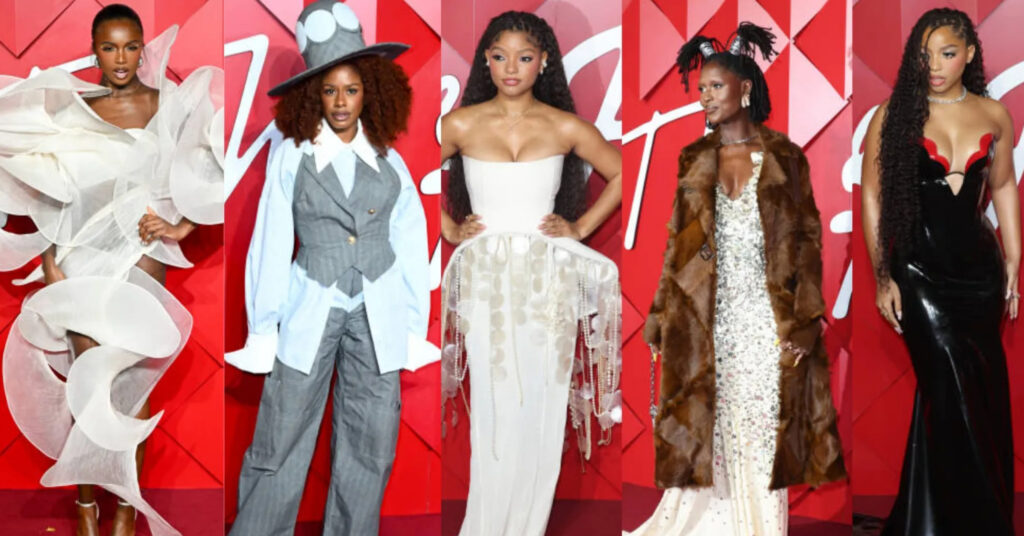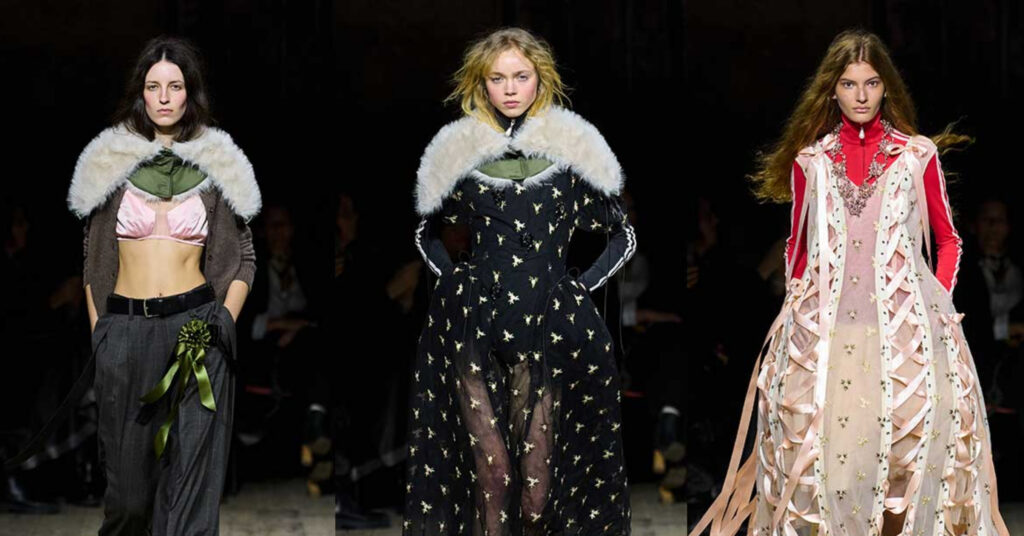

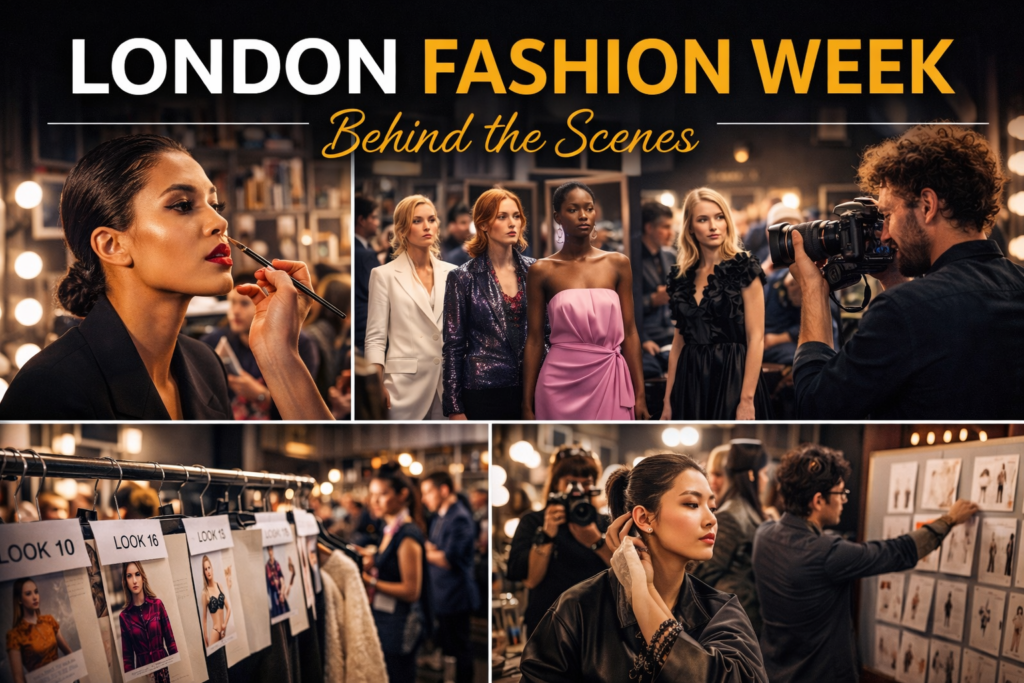
Twice a year, London transforms into one of the most influential style capitals in the world as designers, models, celebrities, and industry leaders gather for London Fashion Week. While the runway shows capture global headlines and dominate social media feeds, the real story often unfolds behind the scenes — where creativity, precision, and months of preparation come together in a matter of minutes on the catwalk.
This is an inside look at what truly happens behind the glamour.
The Preparation Months Before the Spotlight
Long before the first model steps onto the runway, preparation begins. Designers conceptualise collections up to a year in advance, drawing inspiration from art, culture, politics, sustainability, and street style. Sketches evolve into fabric selections, fittings, and countless revisions.
London has long been known for its experimental and bold fashion identity. British designers often push boundaries, blending tradition with innovation. Major names associated with London’s fashion legacy include Alexander McQueen and Vivienne Westwood — creatives who redefined what runway storytelling could look like.
Emerging designers also play a vital role, as London Fashion Week is widely recognised for nurturing fresh talent through initiatives supported by the British Fashion Council.
Casting: More Than Just a Walk
Model casting is a carefully curated process. Designers and casting directors search for individuals who embody the spirit of the collection. Diversity, individuality, and attitude often take precedence over conventional standards of beauty.
London, in particular, is celebrated for championing inclusivity and emerging faces. Models attend multiple castings in a single day, walking for creative directors who assess posture, presence, and personality.
Backstage: Controlled Chaos
If the runway is polished and seamless, backstage is fast-paced and intense. Teams of makeup artists, hairstylists, dressers, stylists, and production assistants work simultaneously in tight spaces.
Leading beauty brands collaborate with designers to create distinctive runway looks. Hair and makeup tests are conducted days before the show to ensure cohesion with the collection’s theme.
Garments are steamed, adjusted, and lined up in precise order. Dressers rehearse quick changes that may take less than 30 seconds. Every second counts.
Production and Set Design
Runway production is a theatrical experience in itself. Lighting specialists, sound engineers, and creative directors transform venues across London into immersive environments — from historic buildings to industrial warehouses.
Music selection plays a critical role in defining mood. The pacing of the soundtrack influences how models walk and how the audience experiences the collection.
Behind every 12-minute runway show lies weeks of technical planning, rehearsals, and staging.
The Role of Media and Buyers
While celebrities and influencers often sit front row, industry buyers and fashion editors are the real decision-makers behind the scenes. Buyers from global department stores assess collections to determine which pieces will reach consumers. Fashion journalists and critics analyse themes, craftsmanship, and market direction.
Public relations teams coordinate interviews, backstage access, and digital coverage. In today’s digital-first world, live streams and social media engagement are just as important as physical attendance.
Sustainability and Innovation
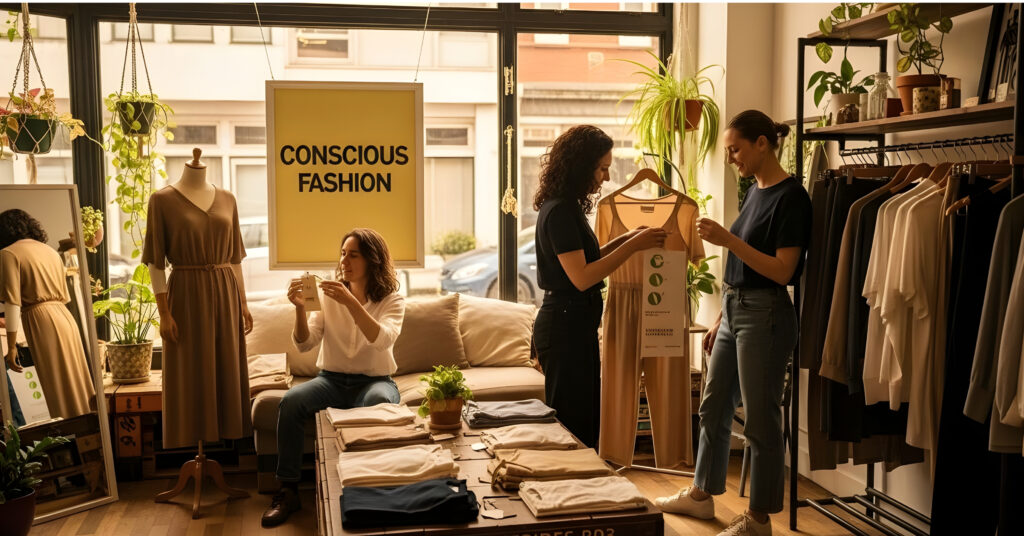
In recent years, sustainability has become central to London Fashion Week’s identity. Designers are increasingly embracing ethical sourcing, recycled materials, and transparent production processes.
The event has taken significant steps to promote environmentally conscious practices, reinforcing London’s reputation as a forward-thinking fashion capital.
Beyond the Runway
London Fashion Week is not limited to catwalk presentations. The schedule includes presentations, panel discussions, showroom exhibitions, and networking events that connect creatives with investors and collaborators.
The event also contributes significantly to the UK economy, strengthening London’s position as a global leader in creative industries.
The Final Moment
When the lights dim and the final model walks the runway, audiences see a polished spectacle lasting only minutes. What they don’t see are the months of preparation, the backstage coordination, and the collaborative energy that bring each collection to life.
London Fashion Week is more than a series of shows — it is a cultural statement, a business platform, and a celebration of artistic freedom.
Behind the scenes, it is where vision turns into reality.