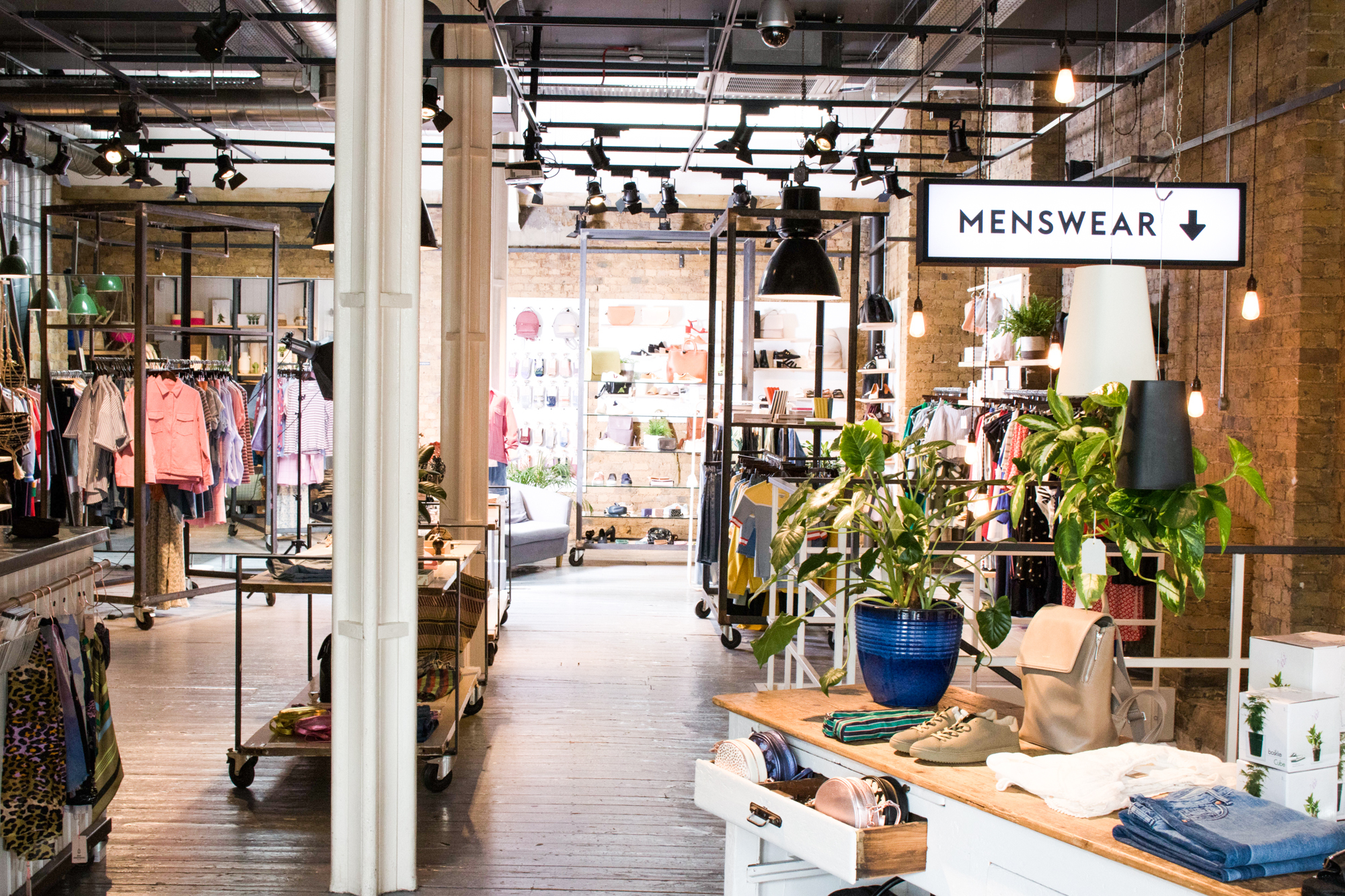
London, UK — London is rapidly becoming one of the world’s leading capitals for sustainable fashion, driven by innovation, environmental awareness, and a new generation of responsible designers. With strong support from organizations like the British Fashion Council, eco-conscious fashion brands across the city are redefining luxury, production, and consumer values.
As sustainability becomes a global priority, London’s fashion industry is embracing environmentally responsible practices, positioning the city at the forefront of the green fashion movement in 2026.
London Leading the Sustainable Fashion Revolution
London’s sustainable fashion scene is built on creativity and responsibility. Designers are focusing on reducing environmental impact while maintaining high standards of design and quality.
Eco-friendly practices now widely adopted include:
- Use of recycled and organic materials
- Low-impact and ethical manufacturing processes
- Limited production to reduce waste
- Transparent and ethical supply chains
- Upcycling vintage and surplus fabrics
This shift reflects growing consumer demand for fashion that aligns with environmental values.
British Fashion Council Supporting Green Innovation
The British Fashion Council has played a major role in promoting sustainable fashion through initiatives that support emerging eco-friendly designers.
Through programs, grants, and fashion showcases, the council encourages brands to adopt responsible production methods and innovate with sustainable materials.
London Fashion Week itself has become a platform for eco-conscious designers, allowing sustainable brands to present their collections on a global stage.
Rising Sustainable Fashion Brands to Watch
London is home to a growing number of sustainable fashion labels gaining international recognition. These brands are combining modern design with environmental responsibility.
Stella McCartney
Stella McCartney remains one of the most influential pioneers of sustainable luxury fashion. Her brand focuses on cruelty-free materials, sustainable fabrics, and ethical production.
Bethany Williams
Bethany Williams is known for using recycled materials and socially responsible production, creating collections that combine sustainability with powerful storytelling.
Christopher Raeburn
Christopher Raeburn has gained global recognition for transforming surplus and recycled materials into innovative fashion designs.
These designers represent the future of London’s fashion industry — creative, responsible, and globally influential.
Consumer Demand Driving Sustainable Growth
Modern consumers are becoming more conscious of their environmental impact. Young buyers, in particular, are prioritizing sustainability when choosing fashion brands.
Vintage shopping, slow fashion, and eco-friendly brands are now considered not just ethical choices, but also stylish and forward-thinking.
London’s fashion community has embraced this shift, helping sustainable brands achieve both commercial success and cultural relevance.
London’s Global Influence on Sustainable Fashion
London’s leadership in sustainable fashion is influencing designers and brands worldwide. Fashion capitals such as Paris, Milan, and New York are increasingly adopting similar eco-focused approaches.
Industry experts believe London’s innovation and commitment to sustainability will continue to shape the future of fashion.
With continued support from organizations like the British Fashion Council and growing consumer awareness, London is positioned to remain a global leader in sustainable fashion.
Conclusion
London’s sustainable fashion movement represents a powerful shift toward a more responsible and innovative future. Supported by forward-thinking designers, industry leaders, and conscious consumers, eco-friendly fashion is no longer a niche — it is the future.
As sustainable brands rise and gain global recognition, London continues to lead the way, proving that style and sustainability can coexist.
Published by:
London Weekly Mag
https://londonweeklymag.com/